You’ve probably heard the buzz. Maybe your neighbor lost 30 pounds seemingly overnight, or your coworker casually mentioned they’re on “that new medication” and suddenly food just doesn’t hit the same way anymore. The weight loss world is having a moment with GLP-1 medications, and honestly? It’s not just hype this time.
If you’ve spent years trying every diet, counting every calorie, and feeling like your body just won’t cooperate no matter what you do, this conversation might feel different. GLP-1 medications aren’t another fad promising miracle results through willpower alone—they’re actually working with your biology instead of against it. And that changes everything.
We’re going to break down what GLP-1 really is, how it works in your body, what the actual science says (spoiler: it’s pretty impressive), and what you absolutely need to know before considering this option.
Whether you’re just curious or seriously exploring your weight loss options, let’s dive into the real story behind the headlines.
What Exactly Is GLP-1 and Why Should You Care?
GLP-1 stands for glucagon-like peptide-1, which sounds super scientific and intimidating, but here’s the thing: your body already makes this stuff naturally. It’s a hormone your gut releases when you eat, and its main job is telling your brain “Hey, we’re full now, you can stop eating.”
The problem? Some of us don’t produce enough of it, or our bodies don’t respond to it the way they should.
And that’s where these medications come in. Drugs like Ozempic, Wegovy, Mounjaro, and Zepbound are basically synthetic versions of this hormone that stick around way longer than the natural stuff your body makes.
Think of it like turning up the volume on a signal your brain was struggling to hear. When that signal gets loud and clear, something pretty remarkable happens: you genuinely feel less hungry. Not in a “white-knuckle through your cravings” way, but in a “huh, I’m actually satisfied with less food” way.
The Science Behind How GLP-1 Actually Works
Let’s get nerdy for a second (but not too nerdy, I promise). GLP-1 medications work through several mechanisms that all team up to help you lose weight.
The Appetite Suppression Effect
This is the big one. GLP-1 receptors in your brain literally reduce your appetite. You’re not forcing yourself to eat less through sheer willpower—you genuinely want less food. People on these medications consistently report that food noise (those constant thoughts about what to eat next) just… quiets down.
It’s like someone turned down the volume on cravings you didn’t even realize were constantly playing in the background.
Slower Gastric Emptying
Here’s another cool trick: GLP-1 slows down how quickly food leaves your stomach. This means you feel fuller longer after eating. That mid-afternoon snack attack? Way less likely to happen when your lunch is still keeping you satisfied hours later.
Blood Sugar Regulation
GLP-1 also helps regulate your blood sugar by stimulating insulin release when your blood sugar is high and reducing glucagon (which raises blood sugar). This was actually the original purpose of these drugs—they were developed for type 2 diabetes. The weight loss was technically a side effect, though now it’s become the main event for many people.
The Results: What the Research Actually Shows
Okay, so how well does this stuff actually work? Because we’ve all been burned by weight loss promises before, right?
The clinical trial results are honestly pretty impressive. In studies of semaglutide (the active ingredient in Wegovy and Ozempic), participants lost an average of 15-20% of their body weight over 68 weeks. For someone weighing 200 pounds, that’s potentially 30-40 pounds.
Tirzepatide (Mounjaro and Zepbound) shows even more dramatic results in some studies, with average weight loss around 20-25% of body weight. Some participants lost significantly more.
But here’s the reality check: these are averages. Some people lose more, some lose less. Results vary based on your starting weight, diet, exercise, genetics, and a bunch of other factors. This isn’t a magic bullet that works exactly the same for everyone.
What Real Users Are Experiencing
Beyond the clinical trials, real-world experiences paint an interesting picture. Most people report:
- Significant reduction in food cravings and “food noise”
- Feeling satisfied with much smaller portions
- Less interest in snacking between meals
- Reduced desire for sweet or high-fat foods
- Steady, consistent weight loss over months
The key word here is “consistent.” This isn’t rapid weight loss that disappears as soon as you stop. It’s gradual, sustainable loss that happens because your relationship with food fundamentally changes while you’re on the medication.
The Side Effects Nobody Wants to Talk About (But We’re Going To)
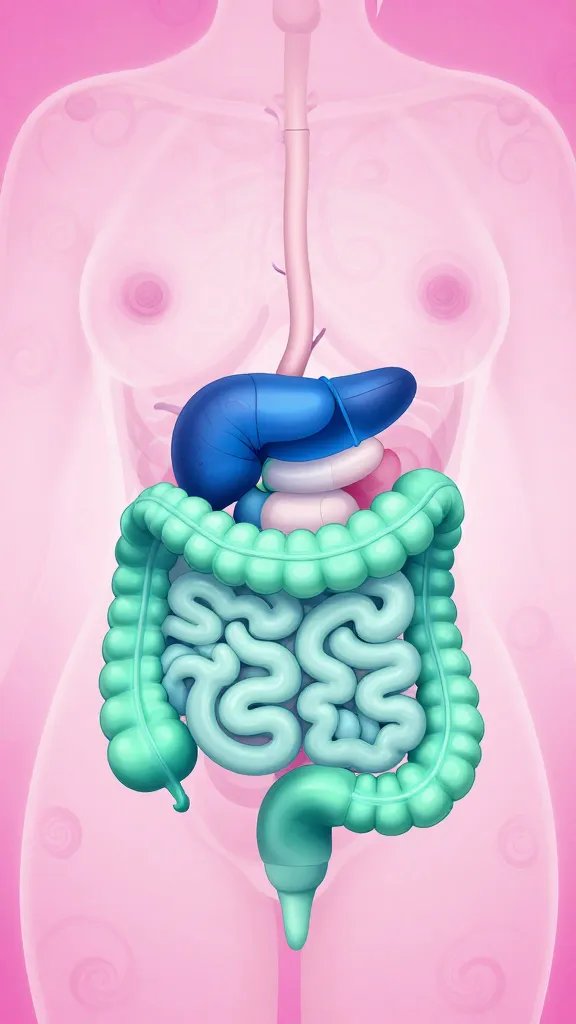
Let’s be real: every medication has side effects, and GLP-1 drugs are no exception. You need to know what you might be signing up for.
The most common side effects are gastrointestinal, and they can be rough:
- Nausea – This is the big one, especially when starting or increasing doses
- Vomiting – Less common than nausea but definitely happens
- Diarrhea – Pretty self-explanatory and not fun
- Constipation – Ironically, some people get this instead of diarrhea
- Stomach pain – Can range from mild discomfort to more significant cramping
The good news? For most people, these side effects improve over time as your body adjusts. Starting with a low dose and slowly increasing helps minimize the misery.
The More Serious Stuff
There are also some rarer but more serious potential risks. These medications come with warnings about potential thyroid tumors (based on animal studies), pancreatitis risk, and gallbladder problems. If you have a personal or family history of certain conditions, these medications might not be appropriate for you.
This is absolutely not something to start without medical supervision. A qualified healthcare provider needs to evaluate whether the benefits outweigh the risks for your specific situation.
Who Should (and Shouldn’t) Consider GLP-1 Medications
So who’s actually a good candidate for these medications? The FDA has approved them for people with a BMI of 30 or higher, or a BMI of 27 or higher with at least one weight-related health condition (like high blood pressure or type 2 diabetes).
That said, BMI isn’t the whole story. Your doctor should consider your overall health, weight loss history, other medications you’re taking, and your personal health goals.
When GLP-1 Might Not Be Right for You
These medications aren’t appropriate if you:
- Have a personal or family history of medullary thyroid carcinoma
- Have Multiple Endocrine Neoplasia syndrome type 2
- Are pregnant or planning to become pregnant soon
- Have a history of severe gastrointestinal disease
- Have a history of pancreatitis
And honestly? If you only have 10-15 pounds to lose and no other health issues, these medications are probably overkill. They’re designed for people dealing with obesity or significant weight-related health problems.
The Money Talk: What This Actually Costs

Let’s address the elephant in the room: these medications are expensive. Like, really expensive. Without insurance, you’re looking at $900-$1,500 per month. Yes, per month.
Insurance coverage is all over the map. Some plans cover GLP-1 medications for diabetes but not for weight loss. Some cover them for weight loss but with strict requirements. Some don’t cover them at all.
Ways to Make It More Affordable
If you’re serious about trying these medications, here are some options:
- Check if your insurance covers them (call and ask specifically about weight management coverage)
- Look into manufacturer savings programs – companies like Novo Nordisk and Eli Lilly offer significant discounts for eligible patients
- Consider compounded versions from reputable pharmacies (though proceed with caution here)
- Ask your doctor about starting with the diabetes-approved version if you have diabetes or prediabetes
FYI, the cost situation is genuinely frustrating for many people who could benefit from these medications but can’t afford them. It’s a legitimate barrier that we need to acknowledge.
What Happens When You Stop Taking It?
Here’s the uncomfortable truth: most people regain at least some weight when they stop taking GLP-1 medications. Studies show that within a year of stopping, people typically regain around two-thirds of the weight they lost.
Why? Because the medication was doing the heavy lifting of appetite suppression. When that goes away, your natural hunger signals come back full force. For many people, this means returning to previous eating patterns and, consequently, previous weight.
This raises the question: are these medications something you need to take indefinitely? For many people, the answer might be yes—similar to how people with high blood pressure take medication long-term to manage their condition.
The key is using the time on the medication to build sustainable habits: learning what appropriate portions feel like, developing a regular exercise routine, addressing emotional eating patterns, and building a healthy relationship with food. That way, even if you do stop the medication, you’re not starting from square one.
Combining GLP-1 with Lifestyle Changes

Here’s something important: these medications work best when combined with lifestyle changes, not as a replacement for them. I know, I know—that’s not what anyone wants to hear. But it’s true.|
Think of GLP-1 as a tool that makes healthy lifestyle changes actually achievable. When you’re not constantly battling overwhelming hunger, it becomes so much easier to:
- Stick to appropriate portion sizes
- Choose nutritious foods over junk
- Exercise regularly (because you have more energy when you’re not carrying extra weight)
- Break cycles of emotional eating
The medication creates a window of opportunity where making better choices doesn’t feel like torture. That’s powerful, but you still need to walk through that window and actually make those choices.
The Protein Priority
One important tip from people who’ve had success: prioritize protein. Because you’re eating less overall, you need to make sure you’re getting enough protein to maintain muscle mass. Losing weight is great, but losing muscle along with fat isn’t ideal.
Aim for high-protein recipes at every meal, even if it’s a small portion. Your body will thank you.
Frequently Asked Questions
How quickly will I see results with GLP-1 medications?
Most people start seeing weight loss within the first few weeks, but significant results take time. The clinical trials showed the most dramatic weight loss occurred over 4-6 months and continued up to 68 weeks. This is a marathon, not a sprint. You might lose 1-2 pounds per week on average, which is actually a healthy rate of weight loss that’s more likely to be sustainable.
Can I drink alcohol while taking GLP-1 medications?
Technically yes, but many people find their tolerance and desire for alcohol decreases significantly on these medications. Some people report feeling sick after drinking even small amounts. The medications can also slow down how quickly your body processes alcohol. IMO, it’s best to be really cautious with alcohol, start with very small amounts if you do drink, and pay attention to how your body responds.
Will I need to take this medication forever?
That’s the million-dollar question, and honestly, there’s no one-size-fits-all answer. Some people may need to take these medications long-term to maintain weight loss, similar to how people manage other chronic conditions with medication. Others might be able to stop after losing weight and maintaining it for a while with lifestyle changes. This is definitely a conversation to have with your healthcare provider based on your individual situation and goals.
What’s the difference between Ozempic, Wegovy, Mounjaro, and Zepbound?
Ozempic and Wegovy both contain semaglutide—Ozempic is FDA-approved for diabetes, while Wegovy is approved specifically for weight loss (and comes in higher doses). Mounjaro and Zepbound both contain tirzepatide—Mounjaro is approved for diabetes, Zepbound for weight loss. Tirzepatide works on two hormone receptors (GLP-1 and GIP) instead of just one, which might explain why some studies show slightly better weight loss results. Your doctor can help determine which might be best for you.
Are there natural ways to increase GLP-1 without medication?
Yes, though the effects are much more modest than with medication. Eating protein and fiber-rich foods, exercising regularly, getting adequate sleep, and managing stress can all help optimize your body’s natural GLP-1 production. Some foods like leafy greens, nuts, and fermented foods may support GLP-1 release. But let’s be real: if natural methods alone were enough for everyone, we wouldn’t need these medications in the first place.
What about those compounded versions I’m seeing advertised online?
Because of shortages of brand-name GLP-1 medications, compounding pharmacies started making their own versions. Some are legitimate operations creating quality products, but others may not be. If you’re considering a compounded version, make sure you’re working with a reputable compounding pharmacy through a licensed healthcare provider. The FDA has raised concerns about safety and quality control with some of these products. Cheaper isn’t always better when it comes to injectable medications.
The Bottom Line on GLP-1 Weight Loss
GLP-1 medications represent a genuinely significant advancement in weight loss treatment. They’re not perfect, they’re not cheap, and they’re definitely not right for everyone. But for people who’ve struggled with obesity and haven’t had success with diet and exercise alone, they can be life-changing.
The science is solid, the results are real, and the potential benefits extend beyond just the number on the scale—improved blood sugar, reduced cardiovascular risk, better mobility, and for many people, a completely transformed relationship with food.
But here’s the thing: these medications work best as part of a comprehensive approach to health, not as a standalone solution. You still need to address the lifestyle factors that contribute to weight gain. You still need medical supervision. And you need to go into this with realistic expectations about side effects, costs, and the possibility of long-term use.
If you’re considering GLP-1 medications for beginners, have an honest conversation with your healthcare provider about whether they make sense for you. Look at your full health picture, not just your weight. And whatever you decide, remember that taking control of your health—in whatever form that takes—is something to be proud of.