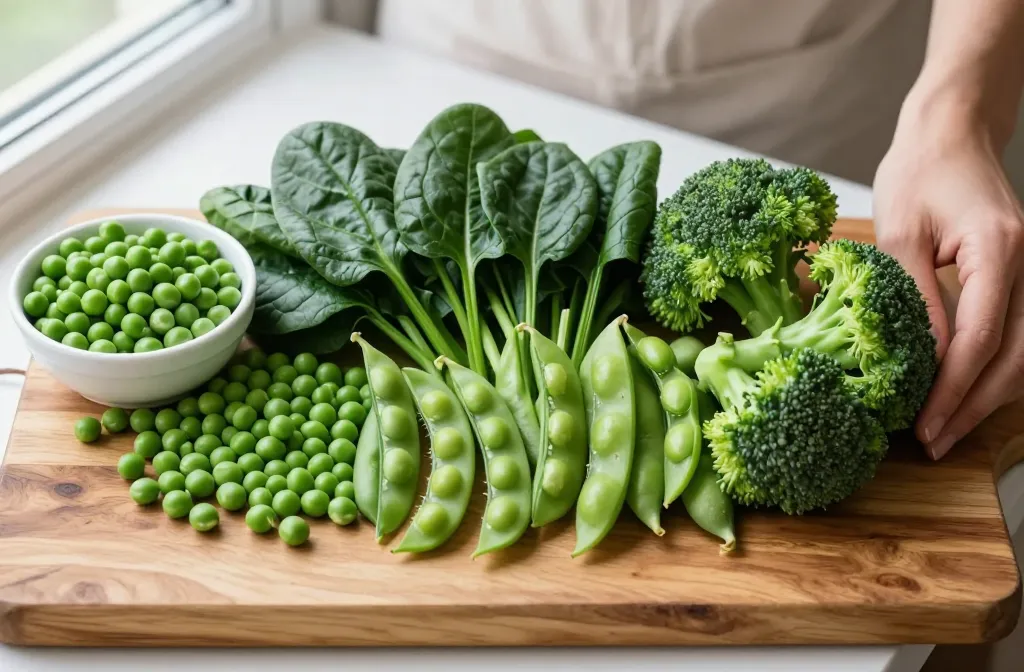
Think you need meat to hit your protein goals? Think again. These 10 vegetables pack serious protein, and I’m ranking them from good to absolutely incredible so you can load up your plate strategically.
Whether you’re going fully plant-based or just trying to eat more veggies, you’re about to discover which greens deserve the MVP spot on your dinner plate. No BS, no filler—just the cold, hard protein facts that’ll change how you grocery shop forever.
1. The Underdog: Green Peas (8.6g Per Cup)
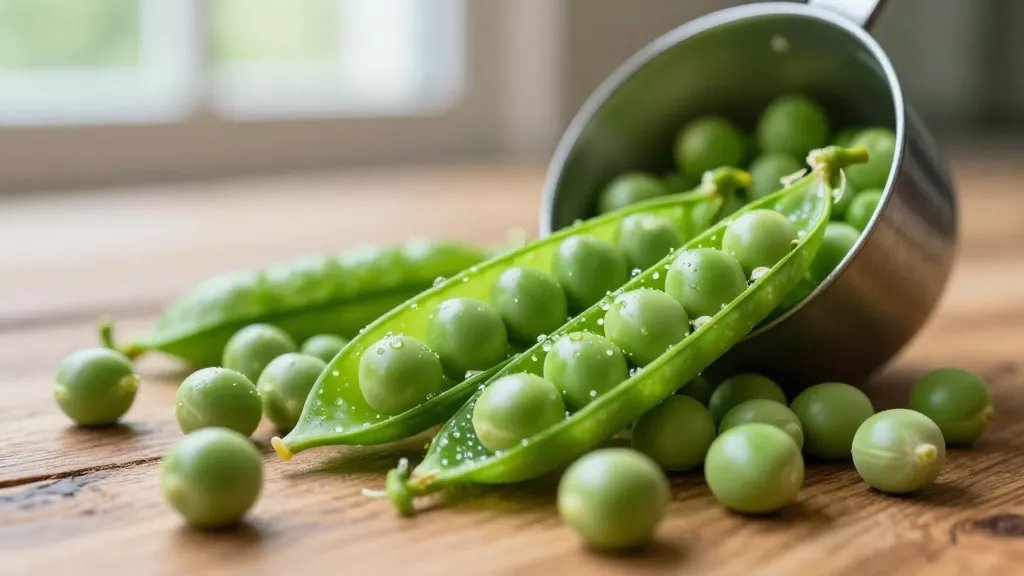
Don’t sleep on these tiny green spheres. Frozen peas are hiding in plain sight in your freezer section, quietly packing more protein than most people realize.
A single cup of cooked green peas delivers nearly 9 grams of protein. That’s more than an egg! Plus, they’re ridiculously versatile—toss them in pasta, blend them into soup, or just heat and eat as a side dish.
Why Peas Deserve Your Attention:
- Cheap as chips and available year-round frozen
- Cook in under 5 minutes straight from frozen
- Loaded with fiber to keep you full
- Sweet enough that even picky eaters tolerate them
The best part? You can add peas to literally anything without changing the flavor profile too much. They’re the protein ninja of the vegetable world.
2. The Leafy Powerhouse: Spinach (5.3g Per Cooked Cup)
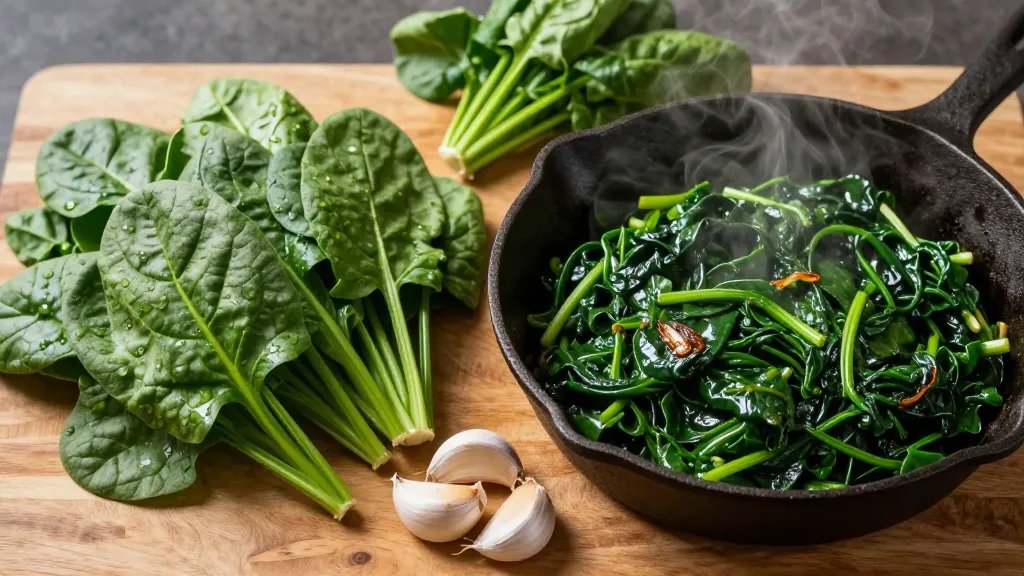
Popeye wasn’t messing around. Spinach transforms from a massive pile of leaves to a tiny, protein-dense serving when you cook it down.
Here’s the trick: raw spinach contains only about 1 gram of protein per cup. But cook that same spinach, and you can fit way more into a single serving. A cooked cup gives you over 5 grams of protein along with iron, calcium, and vitamins A and K.
Seriously, sauté a giant bag of spinach with garlic, and it’ll shrink down to maybe two servings. Add it to eggs, smoothies (you won’t taste it, trust me), pasta, or curry. The possibilities are endless, and your protein intake will thank you.
Pro Tips:
- Buy frozen spinach for maximum convenience and nutrition
- Squeeze out excess water after cooking for better texture
- Pair with vitamin C foods to boost iron absorption
Spinach is basically the vegetable equivalent of a multivitamin with a protein bonus attached.
3. The Crunchy Champion: Broccoli (4.3g Per Cooked Cup)
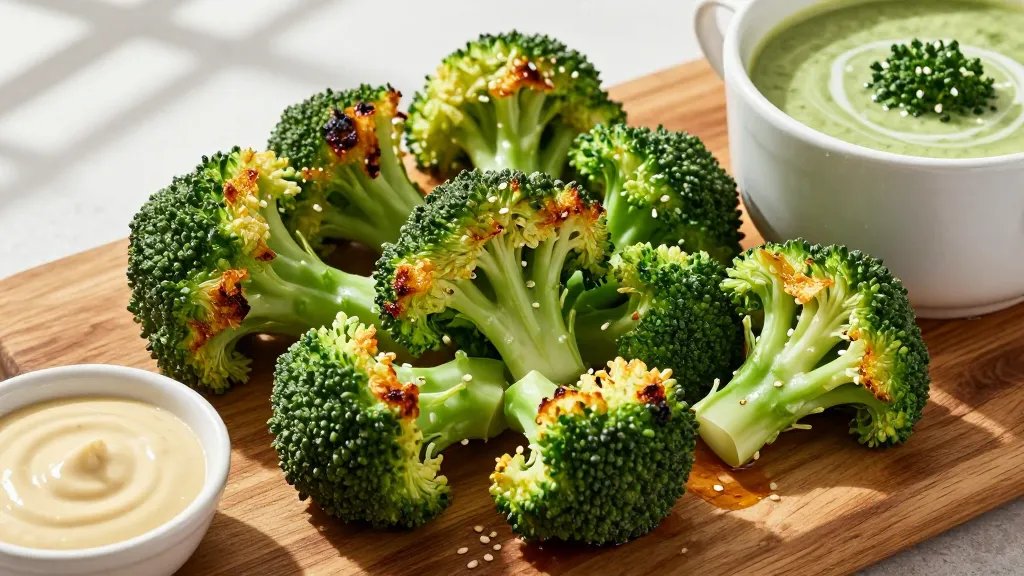
This tree-shaped vegetable is a bodybuilder favorite for a reason. Broccoli brings solid protein numbers while being incredibly low in calories.
One cup of cooked broccoli gives you over 4 grams of protein and only about 55 calories. The protein-to-calorie ratio here is genuinely impressive. Plus, you get a massive dose of vitamin C—like, more than an orange level of vitamin C.
Roast it until the edges get crispy and slightly charred. Steam it and drizzle with tahini. Blend it into soup. Add it to stir-fries. Broccoli is that reliable friend who shows up and delivers every single time.
Cooking Methods That Maximize Flavor:
- Roasting: High heat (425°F) until edges brown
- Steaming: Keeps nutrients intact, takes 5 minutes
- Stir-frying: Quick cook with garlic and ginger
IMO, roasted broccoli with a sprinkle of nutritional yeast is basically vegetable crack. You’ll actually crave it.
4. The Sophisticated Choice: Asparagus (4.3g Per Cooked Cup)
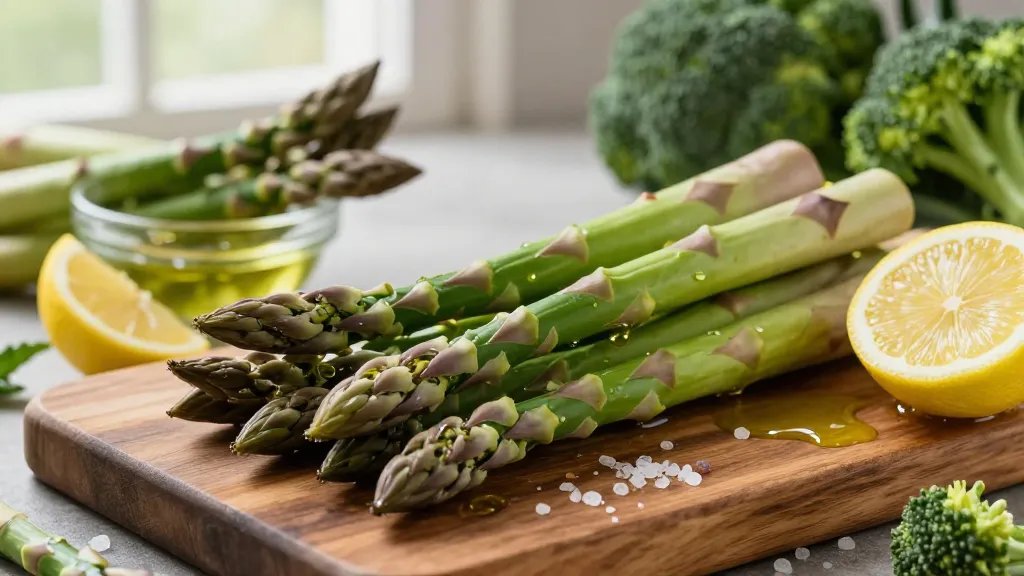
Fancy restaurants charge you extra for this, but you can easily make it at home and reap those protein benefits.
Asparagus ties with broccoli at about 4.3 grams of protein per cooked cup, but it brings a different nutritional profile to the table. It’s loaded with folate, vitamin K, and antioxidants that support everything from your heart to your gut health.
The tender spears cook quickly and taste amazing with just a bit of olive oil, salt, and lemon. Grill them, roast them, or wrap them in literally anything. They’re the vegetable that makes you feel like you have your life together.
Selection and Storage:
- Look for firm stalks with tight tips
- Store upright in water (like flowers) to keep fresh
- Snap off the woody ends before cooking
Asparagus season (spring) is when these babies are cheapest and tastiest, so stock up and eat them daily when they’re in season.
5. The Brussels Sprouts Comeback: (4g Per Cooked Cup)
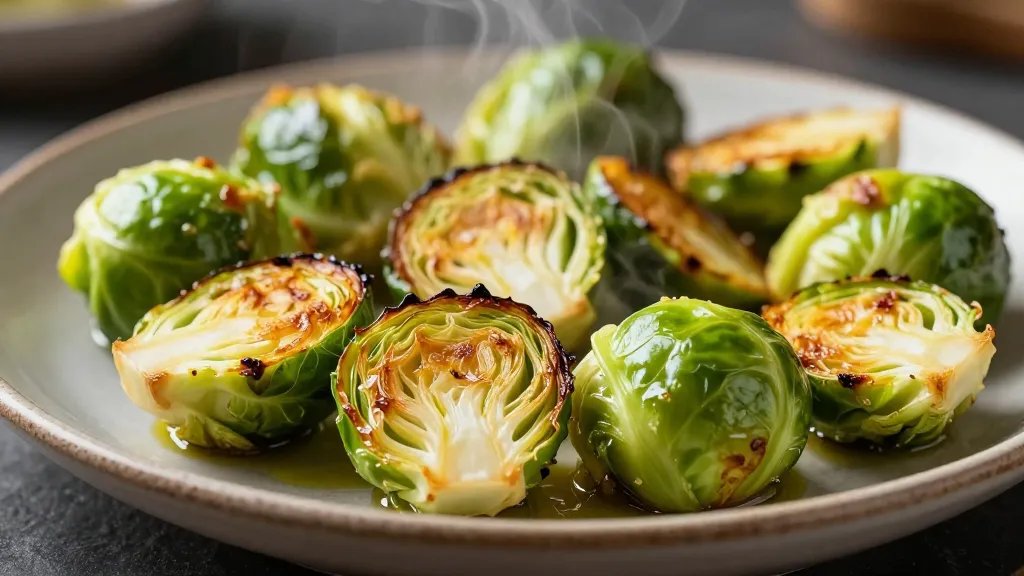
Remember when everyone hated Brussels sprouts? Yeah, that’s because everyone was boiling them into oblivion. Properly cooked Brussels sprouts are a game-changer.
Four grams of protein per cup might not sound earth-shattering, but combine that with their high fiber content and you’ve got a seriously satisfying vegetable. They’ll keep you full for hours.
Cut them in half, toss with oil, and roast at high heat until the outer leaves get crispy and caramelized. The transformation is magical. Add balsamic glaze or maple syrup for that sweet-savory combo that makes people ask for the recipe.
Why They Work:
- High fiber means they’re incredibly filling
- Roasting brings out natural sweetness
- Packed with vitamin C and K
- Actually taste good when cooked right
Brussels sprouts have had a major reputation rehab in recent years, and they’ve earned it. Give them another chance if you haven’t already.
6. The Misunderstood Green: Kale (3.5g Per Cooked Cup)
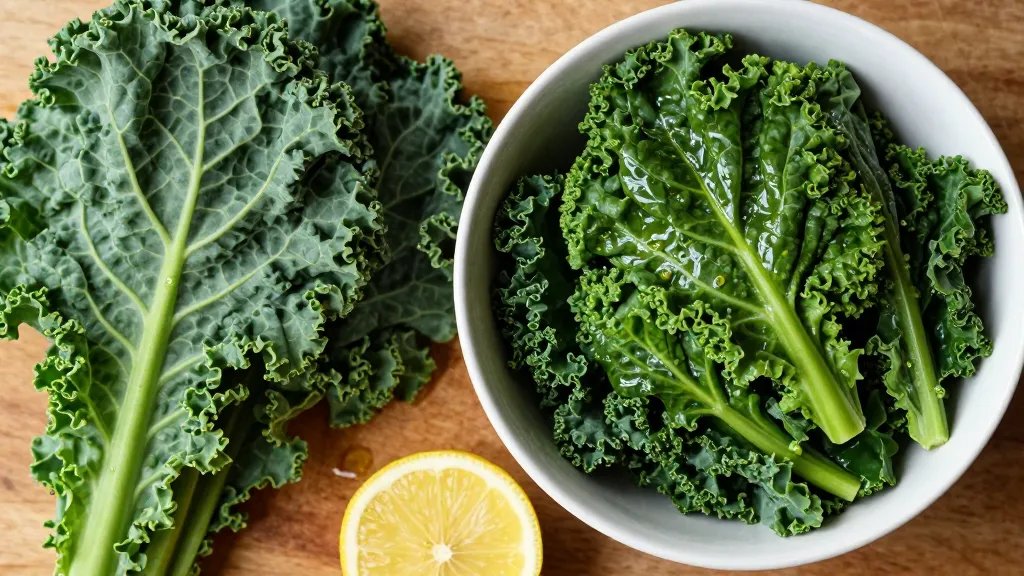
Yes, kale became a meme. Yes, it was overhyped for a while. But you know what? The protein content is still legit.
Cooked kale delivers about 3.5 grams of protein per cup along with more vitamin K than you could possibly need in a day. It’s also stupidly versatile—use it anywhere you’d use spinach, but it holds up better to heat and doesn’t wilt down as much.
The secret to good kale is removing those tough stems and either massaging raw kale with lemon and oil or cooking it until tender. Nobody likes chewy, bitter kale, but properly prepared kale is actually delicious.
Best Kale Varieties:
- Lacinato (Dinosaur) Kale: Tender, less bitter
- Curly Kale: Great for chips and hearty soups
- Baby Kale: Perfect for salads, no massage needed
Add it to smoothies, soups, pasta, or make kale chips. FYI, kale chips are weirdly addictive when you season them right.
7. The Summer Star: Sweet Corn (4.7g Per Cooked Cup)
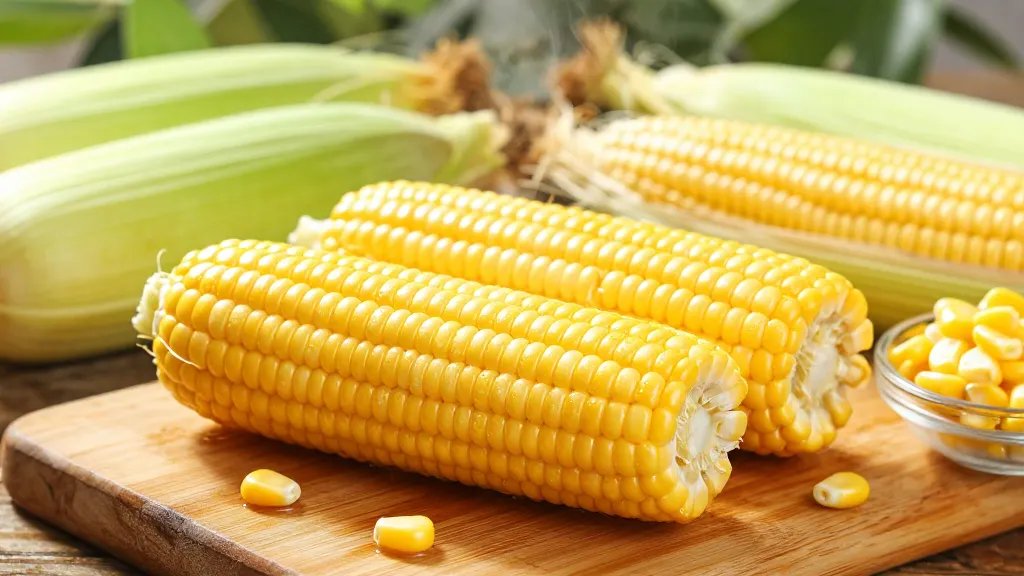
Plot twist: corn is technically a grain, but it’s sold as a vegetable and it’s making this list because the protein content deserves recognition.
A cup of cooked sweet corn gives you nearly 5 grams of protein. Not too shabby for something that tastes like summer in vegetable form. Yeah, it’s higher in carbs than leafy greens, but those carbs give you energy and the fiber keeps things moving.
Grill it, boil it, cut it off the cob and add it to salads, salsas, and grain bowls. Frozen corn is perfectly fine nutritionally and way more convenient than fresh. Don’t let corn snobs tell you otherwise.
Quick Serving Ideas:
- Toss with lime, chili powder, and vegan mayo (elote style)
- Add to black bean tacos for extra protein
- Blend into chowder for creamy texture
Corn gets unfairly dismissed by low-carb enthusiasts, but it’s a solid plant protein source that actually tastes good.
8. The Comfort Food: Mushrooms (3.9g Per Cooked Cup)
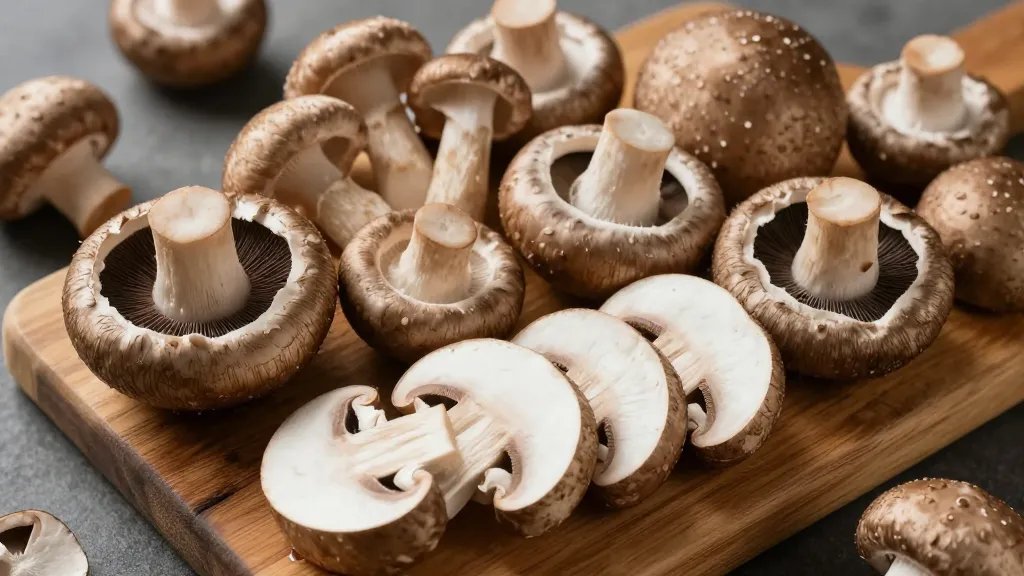
Okay, mushrooms are technically fungi, not vegetables. But they live in the produce section and they’re bringing impressive protein numbers, so they’re making the cut.
Different varieties pack different amounts, but portobello and shiitake mushrooms can deliver around 4 grams of protein per cooked cup. They’re also one of the few plant foods with vitamin D, especially if they’ve been exposed to UV light.
The umami flavor in mushrooms makes everything taste meatier and more satisfying. Slice them thick, cook them until golden, and use them in place of meat in tacos, burgers, or pasta. The texture is surprisingly convincing.
Best High-Protein Varieties:
- Portobello: Meaty texture, grill them whole
- Shiitake: Deep flavor, great for Asian dishes
- Oyster: Tender and mild, cooks quickly
Don’t wash mushrooms under running water—they’ll get soggy. Just brush them off with a damp cloth and get cooking.
9. The Dark Horse: Artichokes (4.8g Per Cooked Cup)
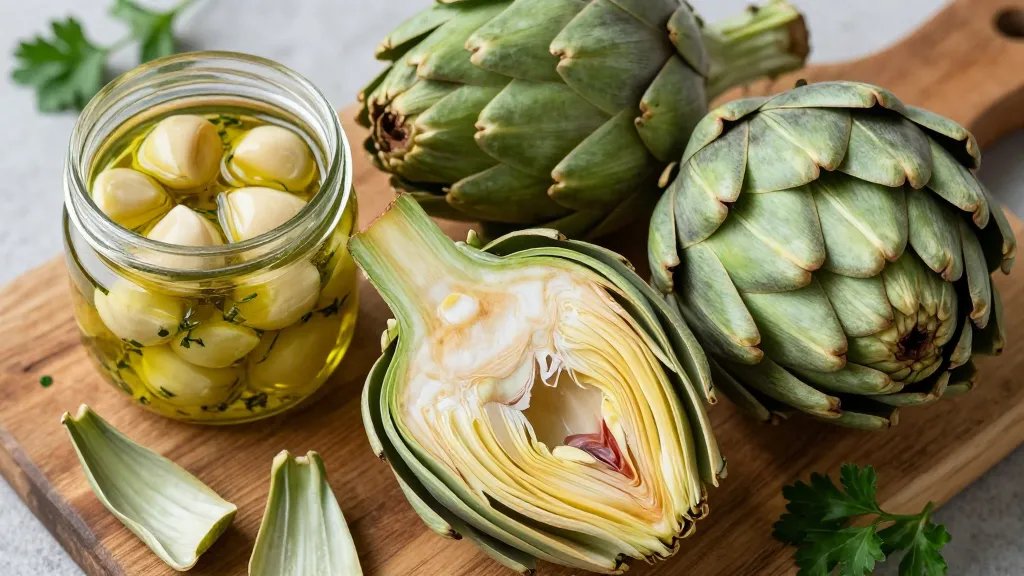
Artichoke hearts from a jar or can are absolute protein heroes that nobody talks about enough.
One cup of cooked artichoke hearts delivers nearly 5 grams of protein plus a ton of fiber that’ll keep you full for ages. They’re also loaded with antioxidants and prebiotics that feed your good gut bacteria.
Toss them in pasta, add them to pizza, blend them into dips, or just eat them straight from the jar if you’re into that (no judgment). They bring this tangy, slightly nutty flavor that elevates everything they touch.
Easy Ways to Use Them:
- Chop and add to grain bowls
- Blend into creamy pasta sauce
- Layer on flatbread with vegan cheese
- Mix into spinach dip for double protein
Fresh whole artichokes are delicious but intimidating. Start with the jarred or canned hearts and work your way up to the fresh stuff when you’re feeling adventurous.
10. The Plot Twist: Potatoes (4.3g Per Large Potato)
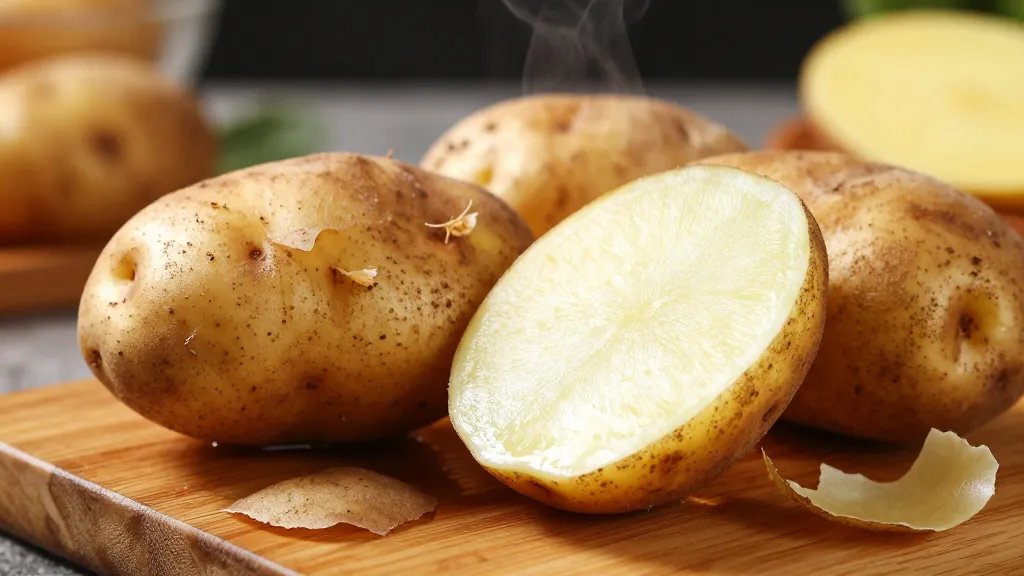
Surprise! That medium-to-large baked potato you’ve been avoiding actually has over 4 grams of protein. Mind. Blown.
Potatoes got villainized by diet culture, but they’re actually nutrient-dense powerhouses with protein, potassium, vitamin C, and fiber (especially if you eat the skin). A large baked potato with skin can deliver more protein than a cup of milk.
The key is how you prepare them. Baked, roasted, or air-fried potatoes are nutritious comfort food. Deep-fried or loaded with butter and sour cream? Not so much. But a baked potato topped with beans, veggies, and salsa? That’s a high-protein meal right there.
Protein-Boosting Potato Ideas:
- Loaded Baked Potato: Top with beans, broccoli, nutritional yeast
- Breakfast Hash: Dice and cook with peppers, onions, tofu
- Mashed Potatoes: Mix in white beans for extra creaminess and protein
All potato varieties work—russet, red, sweet, purple. They all bring solid nutrition to the table. Stop being scared of carbs and start appreciating what potatoes can do for your protein goals.
There you have it—your ultimate roadmap to hitting protein goals without touching a single piece of meat. Load up your plate with these vegetables, combine them strategically, and watch your protein numbers climb. Your body (and maybe the planet) will thank you for making plants the star of your meals.