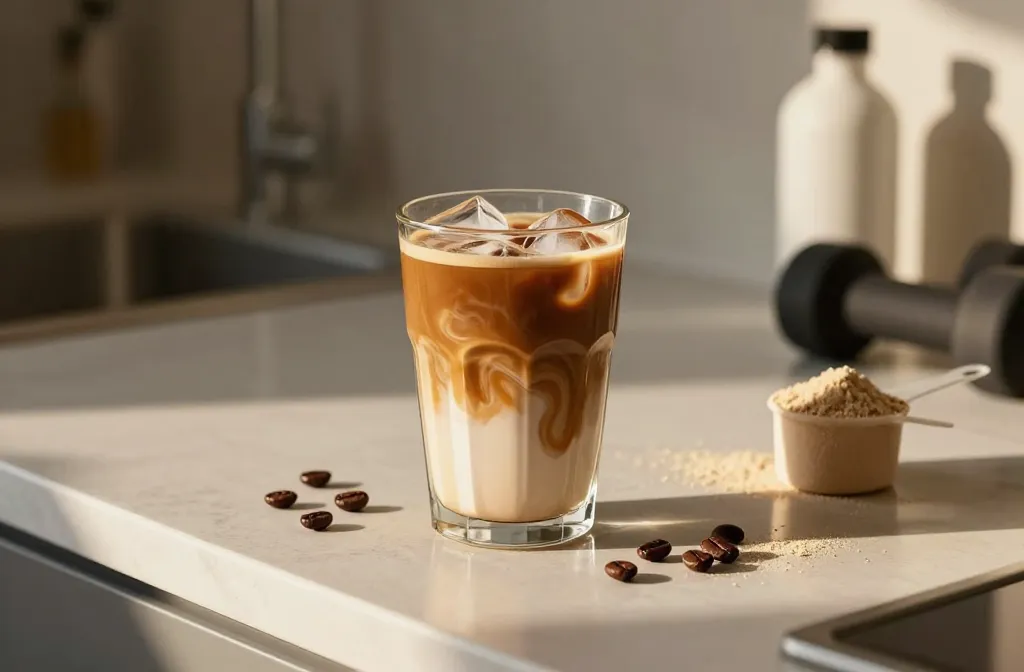
Your morning coffee just met its match, and it’s packing some serious muscle. Protein coffee is exactly what it sounds like – your beloved caffeine fix turbocharged with protein powder – and it’s taking over gym bags and kitchen counters everywhere. Think of it as your high-protein breakfast and coffee ritual all rolled into one delicious cup.
Let’s dive into why this combo is genius and how you can make it happen at home.
Why Protein Coffee Is Actually Brilliant
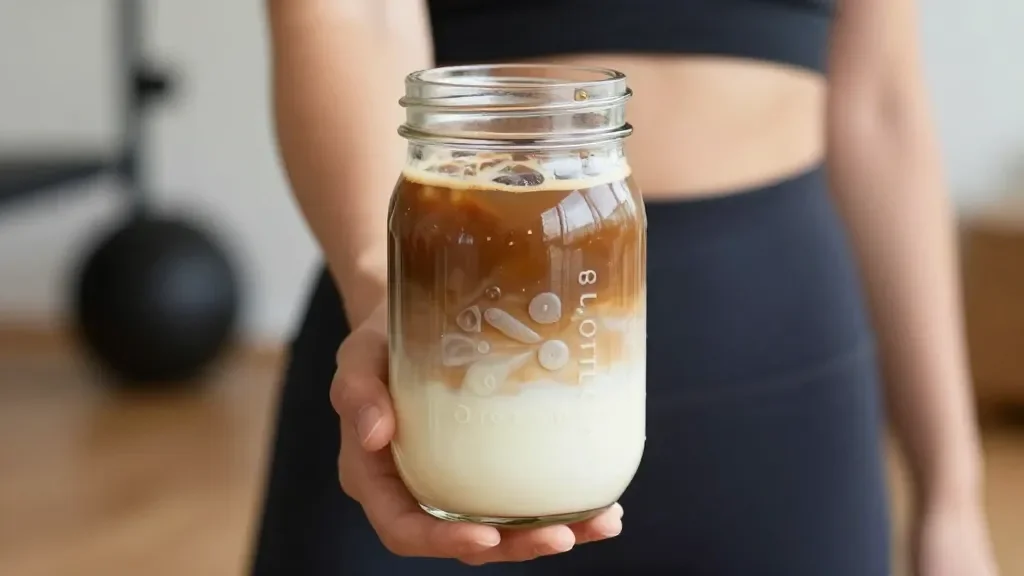
Look, I get it. At first glance, mixing protein powder into coffee sounds like something a fitness influencer made up at 5 AM after too many burpees. But hear me out – this combo makes way more sense than you’d think.
Your body needs protein to function, build muscle, and keep you feeling full. Coffee gives you that energy boost and mental clarity to actually get through your day. When you combine them, you’re basically creating a multitasking superhero beverage that handles breakfast and your caffeine addiction in one go.
The metabolism boost is real. Caffeine revs up your metabolic rate, while protein requires more energy to digest than carbs or fats. Together, they’re like a tag team for your metabolism, keeping it fired up longer than either would alone.
Plus, let’s talk about the convenience factor. We’re all trying to juggle seventeen things before 9 AM, right? Protein coffee means one less meal to prep, one less shake to clean up, and one less excuse for skipping breakfast entirely.
The Science-Backed Benefits You’ll Actually Notice
Muscle Recovery and Growth
If you work out, protein coffee becomes your secret weapon. Getting protein within that post-workout window helps your muscles recover faster and grow stronger. Add coffee’s anti-inflammatory properties to the mix, and you’re looking at reduced muscle soreness.
The caffeine also improves your physical performance by mobilizing fatty acids from fat tissues, making them available as energy. Translation? You might actually crush that last set instead of limping through it.
Sustained Energy Without The Crash
Regular coffee on an empty stomach? That’s a one-way ticket to Jitter City, population: you, at 11 AM, wondering why you feel like garbage. Protein slows down caffeine absorption, which means you get a smoother, longer-lasting energy boost instead of that spike-and-crash rollercoaster.
The protein also stabilizes your blood sugar levels, preventing that mid-morning slump where you’d normally face-plant into a box of donuts. Your energy stays more consistent throughout the day, which honestly feels like a superpower.
Appetite Control That Actually Works
Here’s something cool: protein is incredibly satiating. When you start your morning with protein coffee, you’re triggering the release of hormones that tell your brain “Hey, we’re good on food for now.” This isn’t some fad diet trick – it’s actual science.
I’m talking about staying full for hours without thinking about snacks every fifteen minutes. You know that 10 AM hunger that usually has you raiding the snack drawer? Yeah, protein coffee laughs in the face of that.
Brain Function Gets A Double Boost
Caffeine sharpens your focus and improves reaction time – no surprise there. But protein provides amino acids that your brain needs to produce neurotransmitters. Together, they enhance cognitive function, mood, and mental clarity better than either one alone.
It’s like upgrading from regular WiFi to fiber optic – your brain just works better.
How To Make Protein Coffee At Home Like A Pro
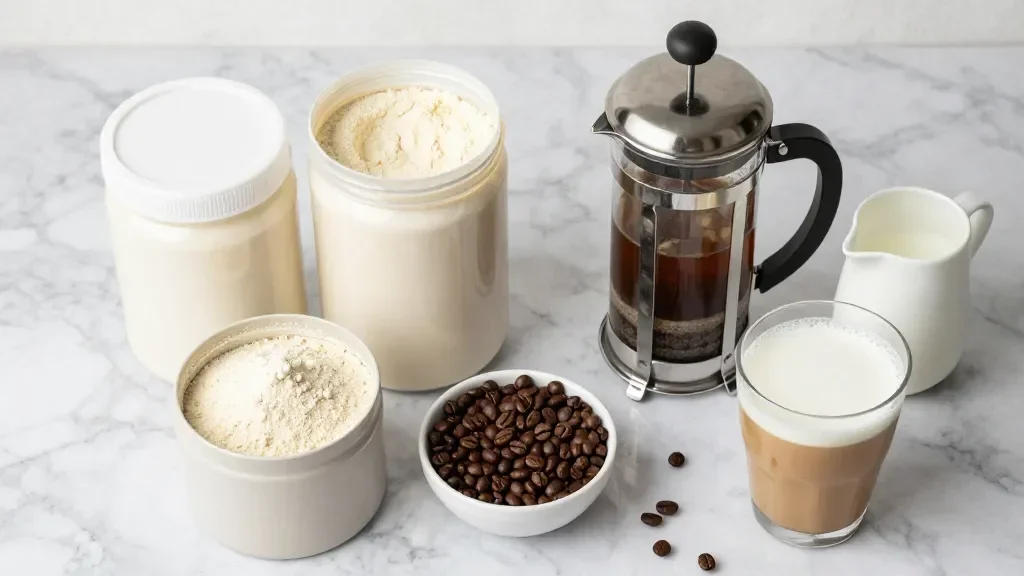
Making protein coffee isn’t rocket science, but there are definitely right ways and wrong ways to do it. Let me save you from the mistakes I made when I first started.
The Basic Method
Here’s your foolproof starting point:
- Brew your coffee however you normally do – French press, drip, espresso, whatever
- Let it cool for a minute or two (crucial step, don’t skip this)
- Add one scoop of protein powder to your blender
- Pour in the slightly cooled coffee
- Blend for 15-20 seconds until smooth and frothy
Why the blender? Because if you just stir protein powder into hot coffee, you’ll get clumpy, sad-looking chunks floating around. Nobody wants to drink that. The blender creates a smooth, almost latte-like texture that’s actually enjoyable.
The Iced Protein Coffee Game-Changer
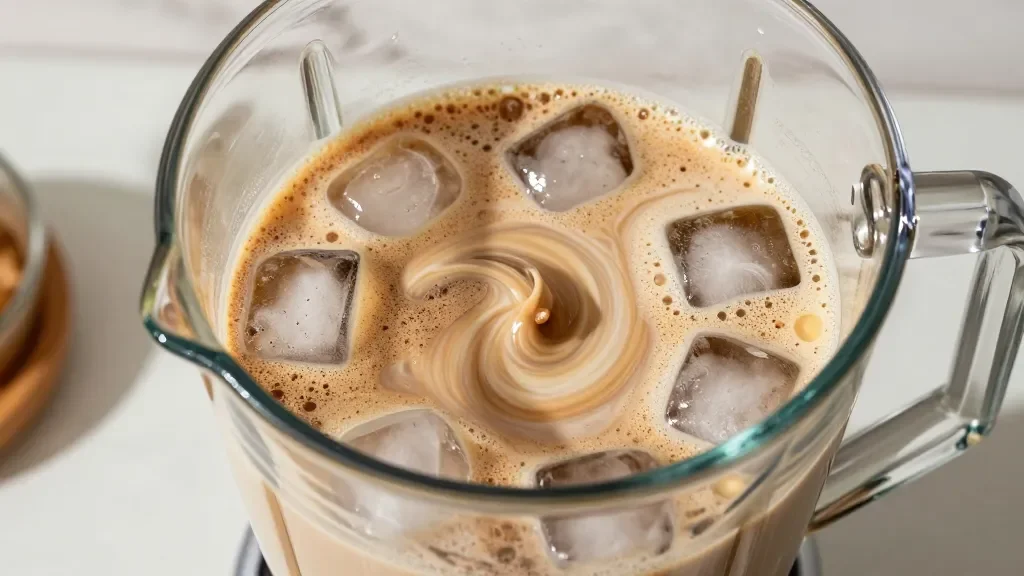
This is where things get fun. Iced protein coffee is phenomenal, especially in summer:
- Brew strong coffee and let it cool completely (or use cold brew)
- Add protein powder, ice, and a splash of milk to your blender
- Blend until you get that smooth, frothy consistency
- Pour over more ice if you want it extra cold
FYI, cold brew works better for this than hot coffee that you’ve cooled down. The flavor is smoother and less acidic.
Pro Tips For Next-Level Protein Coffee
Want to level up? Here’s what the protein coffee veterans know:
- Choose the right protein powder. Vanilla and chocolate work best with coffee. Unflavored is fine if you like your coffee black and bitter. Those weird flavors like birthday cake or cookies and cream? Skip them unless you’re feeling adventurous.
- Add healthy fats for extra creaminess. A teaspoon of MCT oil, coconut oil, or even a tablespoon of nut butter makes your protein coffee taste ridiculously indulgent. Plus, the fats help you absorb fat-soluble vitamins and keep you even fuller.
- Experiment with spices. Cinnamon, nutmeg, and cocoa powder transform your basic protein coffee into something that tastes like you paid $8 at a fancy café. A tiny pinch of sea salt can also enhance the flavor.
- Try adding collagen peptides along with your regular protein powder. They dissolve better and add extra benefits for your skin, hair, and joints without affecting the taste.
Best Protein Coffee Products To Buy Online
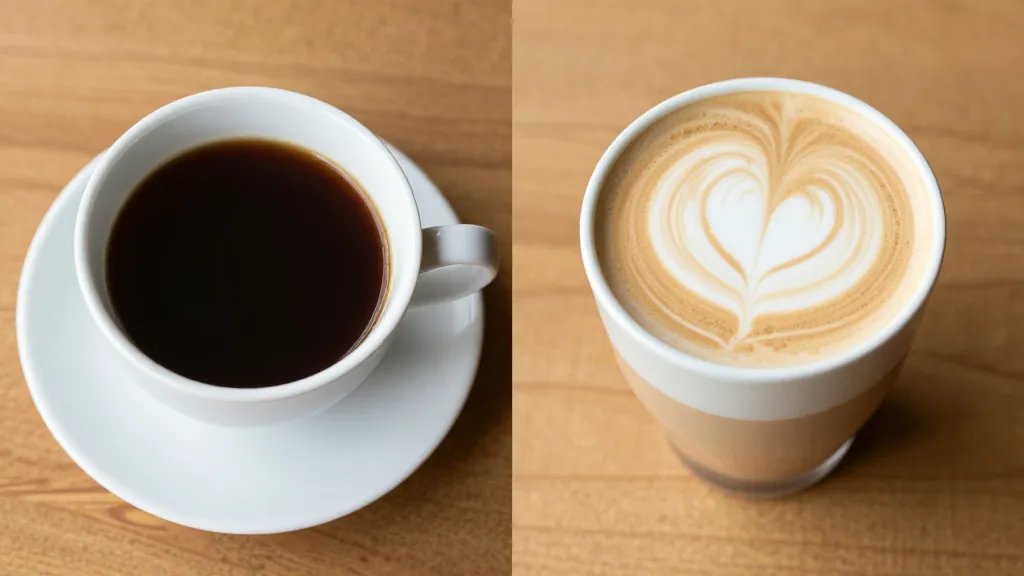
Not feeling the DIY route every single morning? I get it. Luckily, companies have caught onto this trend and created some solid ready-made options.
Pre-Made Protein Coffee Drinks
My favorite, Chike Nutrition Iced Coffee comes as a powder you mix with water or milk. It’s convenient for travel and way cheaper per serving than the ready-to-drink options. It’a also non-GMO which matters to me. Each serving packs 20 grams of protein and 100mg of caffeine.
Slate Milk High Protein Coffee is basically the gold standard here. It’s lactose-free, has 20 grams of protein, and actually tastes like real coffee. They come in classic flavors like mocha and vanilla, plus some fun seasonal ones.
Super Coffee delivers 15 grams of protein per bottle and uses MCT oil for that sustained energy. The flavors are solid, though some people find them a bit sweet. They’re everywhere now – gas stations, grocery stores, you name it.
Protein Powders That Work Best With Coffee
If you’re going the homemade route, not all protein powders play nice with coffee.
Isopure Coffee Protein Powder is literally designed for this purpose. It comes in espresso and other coffee-inspired flavors, so you’re not fighting against weird flavor combinations. Mix it with actual coffee or just use water for a lighter option.
Orgain Organic Protein & Superfoods blends smoothly and doesn’t have that chalky texture some cheaper brands leave behind. The vanilla flavor works surprisingly well with coffee’s bitterness.
Ghost Vegan Protein is perfect if you’re avoiding dairy. The peanut butter cereal milk flavor sounds weird with coffee, but trust me – it creates this amazing nutty flavor that’s borderline addictive. IMO, it’s one of the best vegan options out there.
All-In-One Protein Coffee Powders
These products combine coffee and protein in one powder – the ultimate convenience play.
Protein Coffee by Rapidfire gives you both in perfect proportion. Just add water, shake, and you’re done. Each serving has 15 grams of protein and about as much caffeine as a cup of coffee. Great for travel or those mornings when you can barely function.
Click All-In-One Protein & Coffee has a cult following for good reason. It’s espresso-based, packs 15 grams of protein, and includes added vitamins. The mocha and vanilla latte flavors taste legit.
Common Mistakes To Avoid
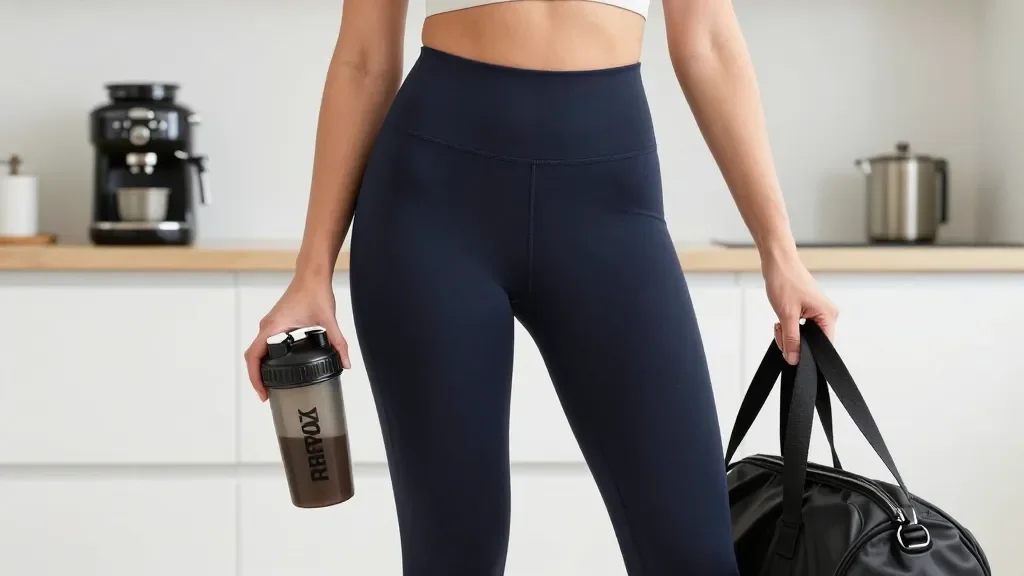
Let me save you from the protein coffee disasters I’ve witnessed (and committed).
- Don’t add protein to boiling hot coffee. Seriously, don’t do it. The heat can denature the protein, creating those nasty clumps that ruin your whole experience. Let your coffee cool to around 140-150°F before mixing.
- Using too much protein powder is a rookie move. Start with one scoop. You’re making coffee, not a full meal replacement. Too much protein makes it thick and gritty, plus your body can only process so much protein at once anyway.
- Skipping the blender or frother and thinking you can just stir it works… if you enjoy chunky beverages. Spend the thirty seconds to blend it properly. Your taste buds will thank you.
- Not considering your total daily protein intake is another common pitfall. That scoop in your coffee counts toward your daily total. Make sure you’re tracking it if you’re serious about your nutrition goals.
Who Should (And Shouldn’t) Drink Protein Coffee
Protein coffee isn’t for everyone, and that’s okay.
It’s perfect for you if:
- You’re always rushing in the morning and skip breakfast
- You work out early and need quick post-workout nutrition
- You’re trying to increase your protein intake
- You want sustained energy without the coffee crash
- You’re looking to manage your appetite better
You might want to skip it if:
- You’re sensitive to caffeine (obviously)
- You have kidney issues (always check with your doctor about protein intake)
- You prefer eating solid breakfasts
- You’re pregnant or breastfeeding (consult your healthcare provider first)
Some people find that protein coffee upsets their stomach, especially on an empty stomach. If that’s you, try eating a small snack with it or switching to a different protein type.
Frequently Asked Questions
Does protein coffee taste good or is it just healthy?
Honestly? It can taste amazing when you do it right. The key is choosing a protein powder that complements coffee rather than fighting against it. Vanilla and chocolate varieties work best. When you blend it properly, it gets this frothy, almost latte-like texture that’s genuinely enjoyable. Sure, it won’t taste exactly like your fancy caramel macchiato, but it’s way better than you’d expect from something this nutritious.
Will protein coffee break my fast?
Yes, it will. Protein triggers an insulin response and kicks you out of a fasted state. If you’re doing intermittent fasting, save your protein coffee for when your eating window opens. However, if you’re just trying to lose weight or build muscle, the benefits of protein coffee might outweigh the benefits of fasting for you. It really depends on your specific goals.
How much protein should I put in my coffee?
Start with one scoop of your protein powder, which is usually around 20-25 grams of protein. That’s plenty for most people and won’t make your coffee too thick or overwhelming. You can adjust based on your daily protein needs and personal preference, but more isn’t always better. Your body can only absorb so much protein at once, and too much makes your coffee taste more like a protein shake than actual coffee.
Can I make protein coffee ahead of time?
You can, but fresh is always better. If you need to prep ahead, make a concentrated batch and store it in the fridge for up to two days. Give it a good shake or quick blend before drinking since ingredients might separate. Cold brew protein coffee holds up better than hot coffee that’s been cooled. Just know that the texture won’t be quite as smooth as when you make it fresh.
What’s the best time to drink protein coffee?
Most people crush their protein coffee first thing in the morning or right after a workout. Morning makes sense because you’re breaking an overnight fast and need both energy and nutrients. Post-workout is ideal because your muscles are primed to absorb protein for recovery. Some people even have it as an afternoon pick-me-up instead of a regular coffee. Just watch your caffeine intake if you’re drinking it later in the day.
Does the caffeine affect protein absorption?
Not really. There’s no solid evidence that caffeine significantly interferes with protein absorption. Some studies suggest caffeine might slightly reduce calcium absorption, but that’s different from protein. Your body will absorb the protein just fine. The bigger concern is whether you can handle the caffeine load, especially if you’re also drinking regular coffee throughout the day.
Final Thoughts
Protein coffee isn’t just another wellness trend that’ll disappear next month. It’s a practical solution for busy people who want nutrition, energy, and convenience without sacrificing taste. Whether you’re blending your own at home or grabbing a ready-made bottle online, you’re getting a legitimate nutritional upgrade to your morning routine.
Start simple with a basic recipe using your favorite protein powder and regular coffee. Experiment with different flavors, temperatures, and add-ins until you find your perfect combo. And remember, the best protein coffee is the one you’ll actually drink consistently.
Give it a shot for a week and see how you feel. Your muscles, energy levels, and probably your productivity will thank you. Now go blend something delicious.

